Literacy changes lives.
From wellbeing and education to employment and community, strong literacy skills open doors. Yet too many people do not have the literacy skills they need to thrive.
What do we do?
When policies aren’t working, laws need reform, or opportunities remain out of reach, we bring the evidence directly to decision-makers at local, regional, devolved and UK-wide levels.
Through briefings, analysis and practice-led recommendations, we make the case for literacy as a powerful tool to break down barriers, improve outcomes and secure positive, lasting change.
Our policy and influencing work ensures literacy remains high on the political agenda – where it belongs.
Our priorities
-
National Year of Reading
This year, we are supporting communities to Go All In by connecting reading with everyday passions, from sports and music to film and family life. Building on this momentum, we aim to create a long-term legacy that strengthens reading culture well beyond 2026.
-
Early Words Matter
A child’s earliest years are the most crucial to their future. It is vital that everyone can access the support they need at home and in their communities to ensure every child has the best start in life.
-
Libraries for Primaries
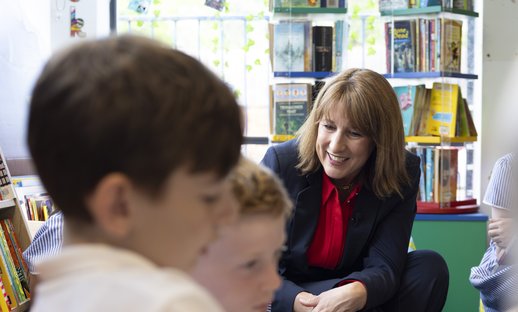
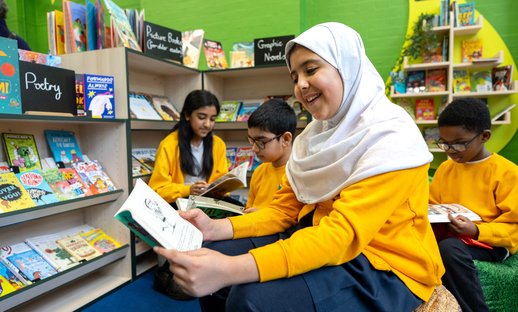
1 in 7 primary schools across the UK does not have a library – rising to 1 in 4 in disadvantaged areas. Our Libraries for Primaries campaign was founded in 2021 with Penguin Books to end this postcode lottery.
-
Criminal justice
Literacy can transform lives. We champion reading and learning within the criminal justice system so that prison leavers are empowered to rebuild their lives, reintegrate into communities, and have a bright future.
-
Reading for pleasure
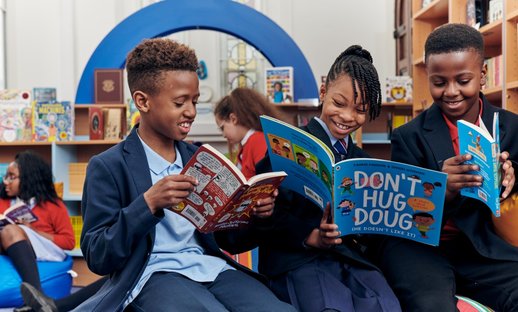
Reading for pleasure improves wellbeing, strengthens social cohesion, boosts grades, enhances employability, and even drives economic growth – yet in 2025 we recorded a 20-year low amongst children and young people. A year later, and we are starting to see the green shoots of change. We continue to be committed to our mission to reignite a love of reading and change life stories.
-
Literacies for Life
The future of literacy, and what it means to be literate, is changing. From digital, media and critical literacies to health, financial and political literacies. We want to ensure that everyone has the tools they need to thrive in their daily lives.
Our policy publications
View our policy publications, including reports, briefings, and consultation responses.

Discover more about our work
-
As experts in children's literacy, we responded to the government's call for evidence to review the curriculum in England and compiled a series of recommendations.Learn more about Curriculum and Assessment Review in England.
-
The government’s schools white paper presents a significant opportunity to place literacy at the centre of education reform. Here's our response.Learn more about Policy: Our response to the schools white paper.
-
We examine five recommendations which reflect the significance of reading enjoyment and how we can work together to drive lasting change.Learn more about Education Select Committee report on reading for pleasure: Positive steps towards lasting change for the next generation.


Get in touch with us
If you would like any more information on any of our policy and influencing work, please contact National Literacy Trust Policy and Public Affairs Manager, Helen Rampton at helen.rampton@literacytrust.org.uk
Latest policy news
-
News
Senior Ministers and award-winning authors joined more than 400 excited pupils in south east London to open St Thomas Becket Catholic Primary School’s brand-new library – the first...View details about First primary school library opens as part of government's commitment to universal provision -
News
The National Literacy Trust is urging increased support for schools to keep the momentum going after a modest upturn in children and young people’s writing enjoyment and daily...View details about Our latest research reveals slight upturn in children’s writing engagement after 15-year low -
News
Children and young people’s enjoyment of reading and daily reading habits have risen for the first time in five years, having reached a 20-year low in 2025, according to our latest...View details about Our latest research shows modest rise in children’s reading engagement, but levels remain low -
News
On Monday 10 November 2025, we were honoured to be one of five organisations invited to 10 Downing Street to celebrate the power of partnerships in driving meaningful change.View details about The power of partnership: An invitation to parliament shines spotlight on the National Year of Reading and Libraries for Primaries -
News
The National Literacy Trust, in partnership with the Department for Education, unveiled “Go All In” as the brand identity for the National Year of Reading 2026, a landmark campaign...View details about The National Literacy Trust and Department for Education unveil “Go All In” brand identity for the National Year of Reading 2026 -
News
Discover how this is significant for our Libraries for Primaries campaign.View details about Libraries for Primaries campaign celebrates major milestone as government commits to universal primary school libraries