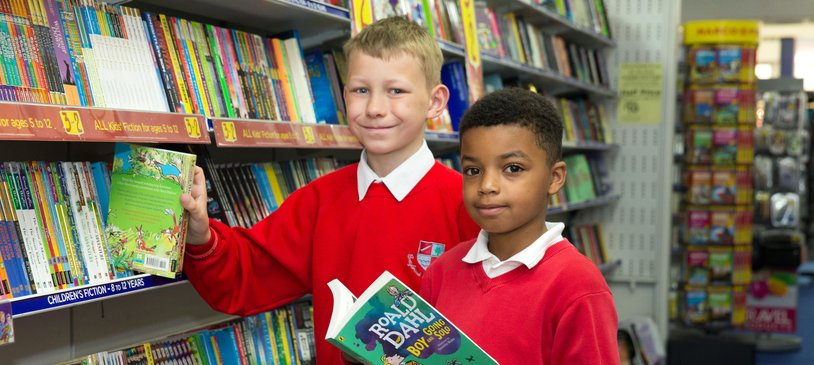
Research consistently shows boys’ reading lags behind girls. The All-Party Parliamentary Group on Literacy’s Boys' Reading Commission was a joint venture with the National Literacy Trust from January to June 2012.
The Commission's findings, published on Monday 2 July 2012, reveal that three out of four (76%) UK schools are concerned about boys’ underachievement in reading, yet there is no government strategy to address the issue. In 2011, an estimated 60,000 boys failed to reach the expected level in reading at age 11.
The report reveals that the “reading gender gap” is widening and says action needs to be taken in homes, schools and communities, with recommendations including boys having weekly access to male reading role models.
MPs and Lords who sat on the Commission heard evidence from teachers, researchers, literacy experts and children’s authors Michael Rosen and Anthony Horowitz.